Where it all began…
In February of 2021, I was looking for a job (or internship), and emailed Palouse-Clearwater Environmental Institute (a 501c3 nonprofit I volunteered for in college). In between working as a ski bum and trips to see my family, I ended up interviewing for a position as a Restoration Technician through AmeriCorps. Funny enough, just a few months prior to this interview, my friend and I were talking about “dream jobs” around the campfire & the interview basically mirrored that conversation. Without a doubt, I accepted the position and began a 900 hour AmeriCorps term of service.
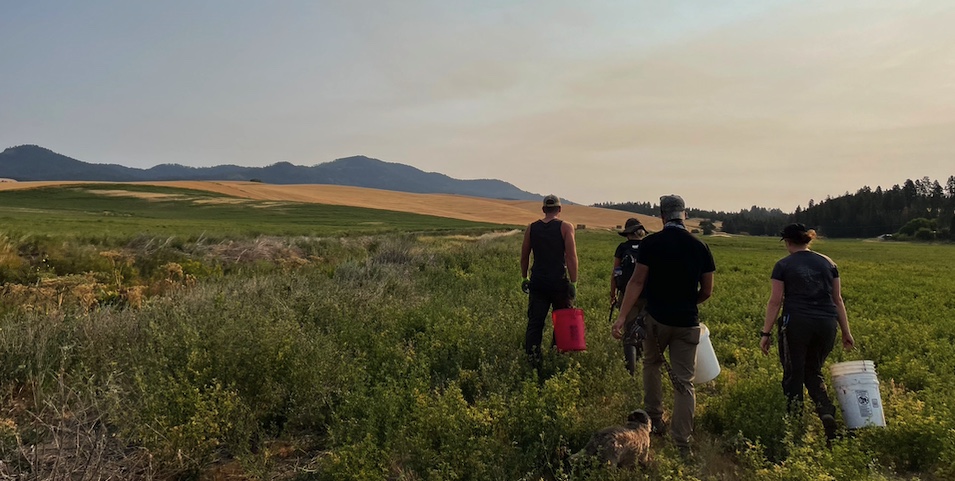
Just a few weeks in, my supervisor quit. Suddenly, this “30ish hour per week volunteer gig” became MUCH more serious. My buddy Dean (another AC member) and I basically took over all of the responsibilities, and had a jolly time that summer busting our butts! There were multiple massive restoration projects, a 26-acre nature preserve to maintain, not too much guidance, and just 2 of us. Holy cow!
A couple of months later, we got 2 more AC members and an intern. Whew! We did everything from mowing the lawn, to nursery sales, to leading 100 volunteers in planting, to planning (& running) multiple summer camps. This AmeriCorps crew killed it summer of 2021 and we are all still in touch. 🙂


Transition to Staff
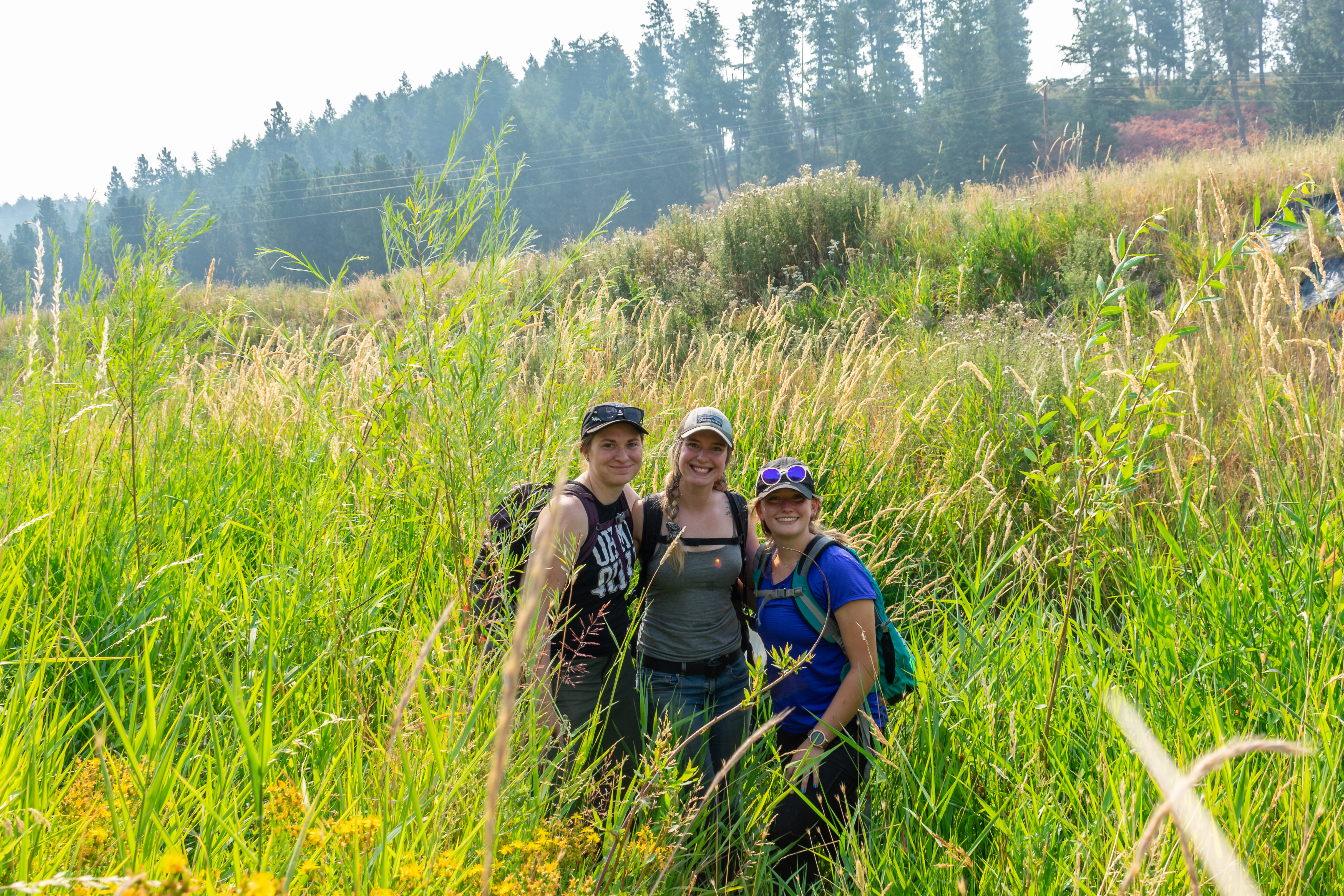
Dean and I learned a lot, laughed hysterically, cussed a good bit, and ended up both getting hired on as staff. I remember one day, we hauled plants in a homemade plant cart for 5+ hours straight in 90 degree weather (uphill both ways… jk) and laughed our butts off the entire time. We did A LOT, for very little money, and made a huge impact on multiple restoration sites. Becoming staff was a much needed boost in pay & resources. FINALLY, we had laptops & access to credit cards!
& then came even more responsibility (as expected). Invoicing, grant-writing, project planning, running the entire nursery business, and merging our education programs (into) our restoration program all became part of the job.


This job offered a lot of freedom. As long as I got my “base duties” done, I was encouraged to immerse myself in programming. With this in mind, I created the “Sustainability Series” with a parter at University of Idaho. I originally got the idea to host science talks @ bars, when attending the Moab, Utah “Science on Tap” events.
We ran this series Spring 2022-Spring 2023, and wow, it was a success! Planning events is my absolute favorite, and we hosted these “community science discussions” to cover the following topics:
Wise-Scaping, Backyard Compost, Sustainable Eating, Mending & Up-cycling, Salmon & Dams, Pollinators on the Palouse, & Recycling for Kids.
Each event requires A TON of prep work, community communications, and problem solving. For one of our events, we were even sponsored by Patagonia! I could not have done it without the help of all the great AmeriCorps members throughout the years. While it was a ton of work, it brought me so much joy to see 50+ community members drinking beer, asking valuable questions, getting their hands dirty & working to be better stewards of the land. Moscow is truly a special place, and I am so appreciative of how many folks turned out for these events!

Along with community events, I also was able to help out with 20+ education events during my time at PCEI! Teaching kids about environmental concerns, plants, watershed health, and how they can help is a 10/10 experience (most of the time). Of course, working with kids can be challenging. But, once you see the twinkle in their eyes & see how proud they are of planting a shrub along a river…. it’s so worth it! One of the last education events I led, was planting a Pollinator Garden at the Lapwai After School Program (Nez Perce Indian Reservation) and damn, those kids were SO STOKED.
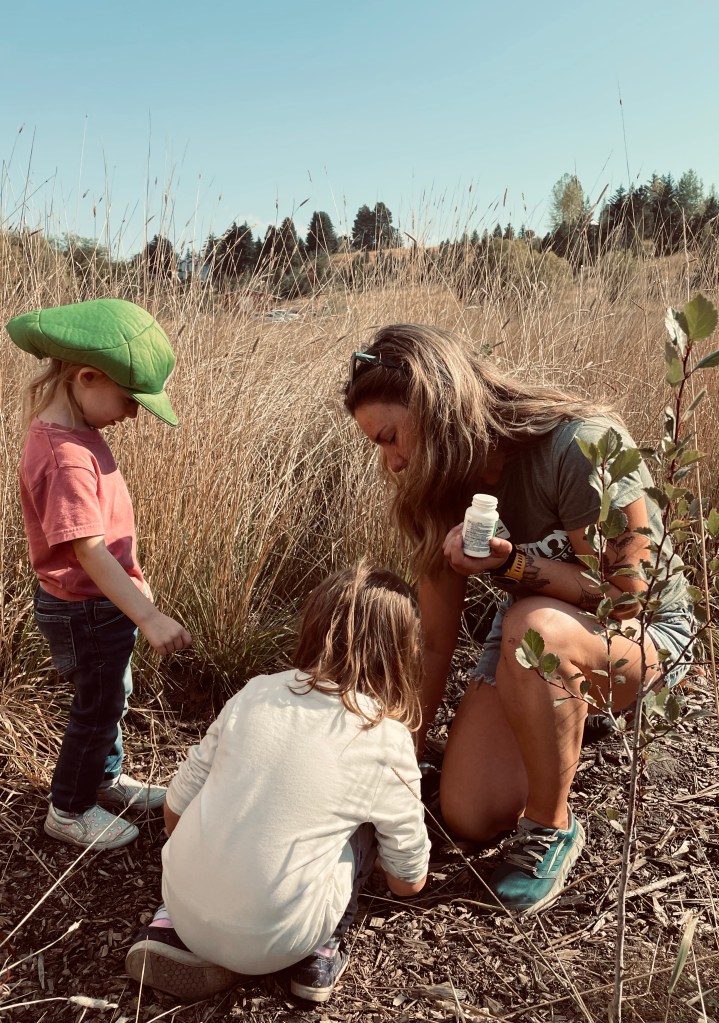
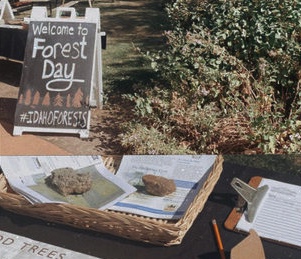
With all the education events, I really tried to create a connection. I tried to be as “human” as I could be, get on the kids level, explain the connectivity of the world around them, and what they could do to help. I gained a lot of my materials from the Project WET curriculum, and if you are interested in taking a training click HERE!
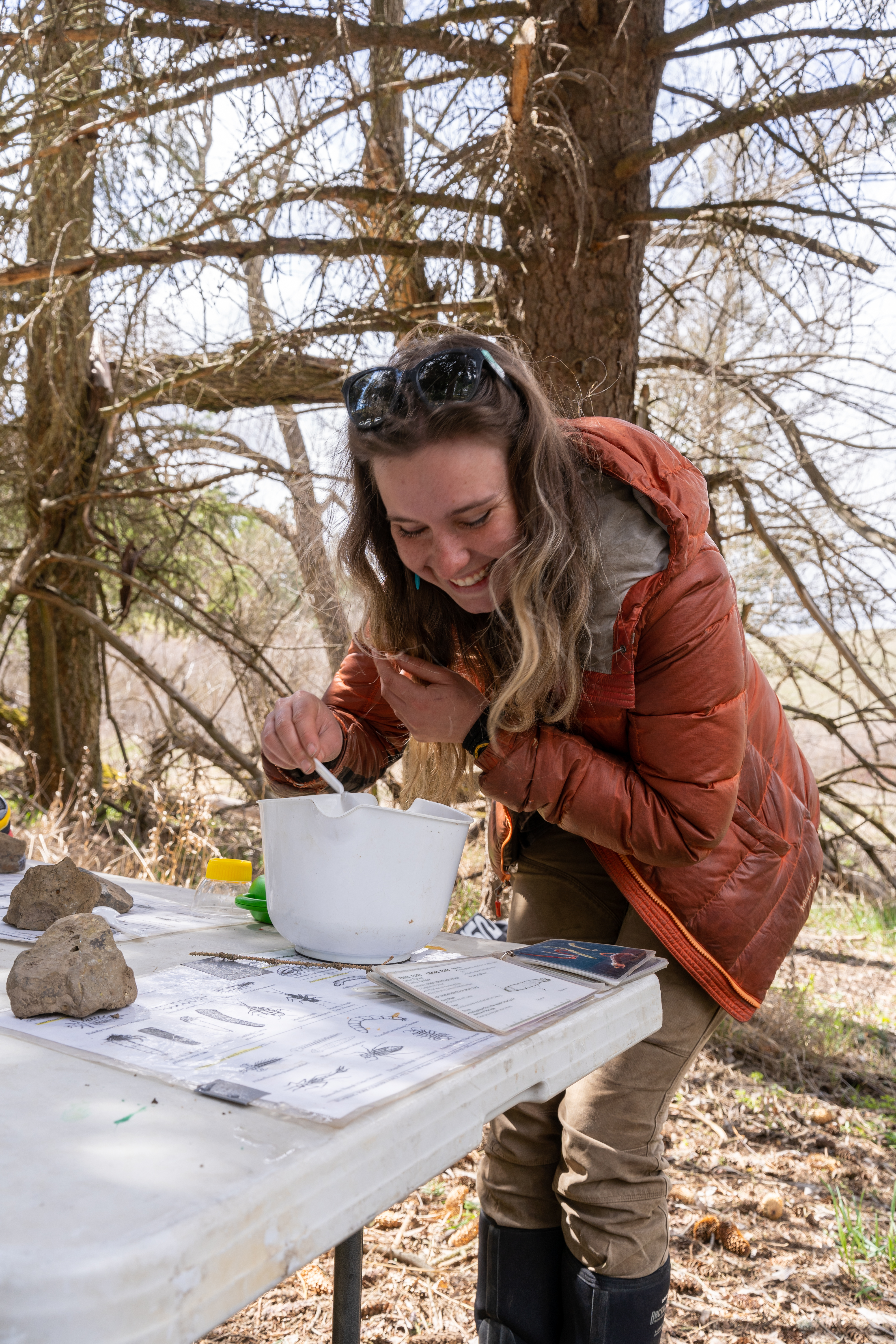
Along with educational programs, I managed (up to) 7 restoration projects at a time, supervised (a total of) 11 AmeriCorps Members, & I wrote over $500,000 in (funded) grants.
At PCEI, we mainly focus on planting in riparian (areas close to rivers & waterways) zones. We do this with the help of hundreds of volunteers each year & funding from the Department of Environmental Quality, and other organizations.
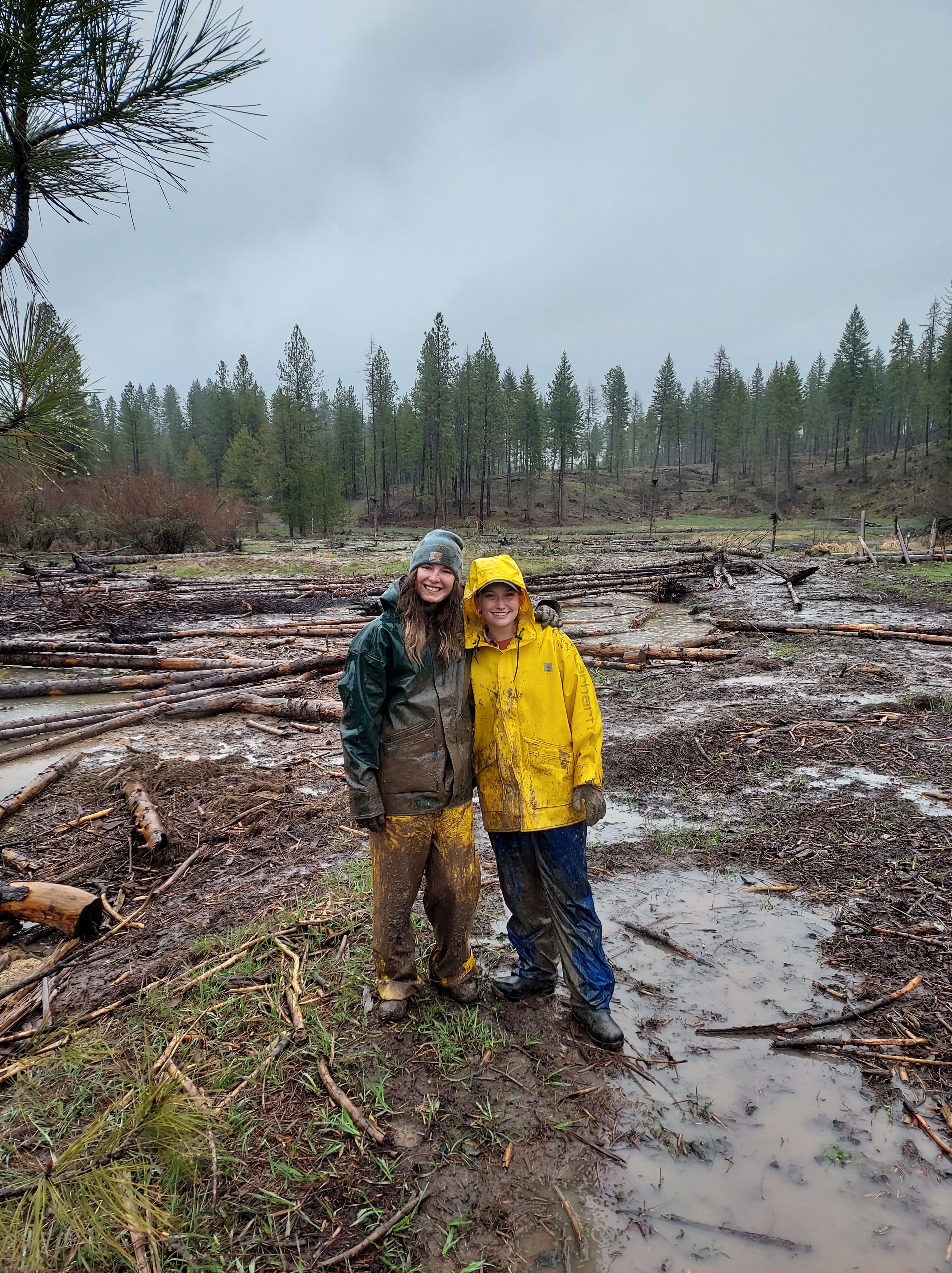
To learn more about Stage Zero, and Low Impact Process-based restoration: CLICK HERE
Planting deep-rooting, water loving plants helps to stabilize banks, decrease pollution (through filtration), and increase shade along the stream (thus increasing water quality and decreasing temperature).
We also build Beaver Dam Analogue & Post-Assisted Log Structures to Slow, Sink, and Spread water across floodplains. This requires lots of heavy hauling of supplies, post-pounding, and weaving of branches.

While Riparian Restoration is our main “gig” at PCEI, sometimes we also do trail work, or forest thinning work at other project sites (contract work, or donation based). We also do lots of “nature center tasks,” to keep up our 26 acre nature preserve (raking, plowing snow, & mild construction).
Some days you are cleaning out the composting toilet… some days you are cutting down trees (to haul through a field)…and other days you are teaching 100 students about macro-invertebrates on the river!
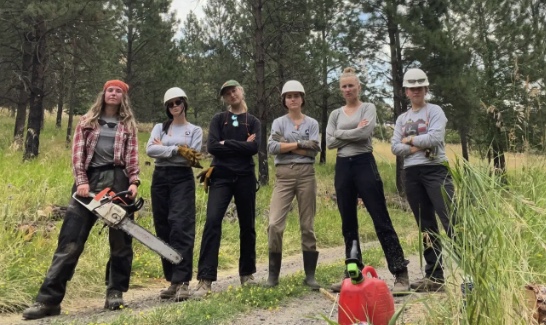
To say the least, we are never “bored” at PCEI! I will truly miss the variety this job has to offer. I learned SO MUCH, and am so inspired to keep making change. I strive to keep teaching others about the environment, learning from all, and maintaining that “go-getter” attitude!

Click HERE to read more about the landowners pictured above & all the work they have done!
It’s hard to say goodbye to the landowners I have worked with the past two years, my coworkers, the kids I have taught, the committees I have worked on, to all those who have worked alongside me restoring the Palouse region
& connecting People to Place.
it’s not a goodbye, but a see you soon. thanks for inspiring me, PCEI!

 Life of a Gal Named Liv
Leave a comment